National figures: This Old House, “What Is a Roof Inspection?”, updated April 16, 2026. Not a quote.
A professional roof inspection cost averages about $331 nationally, and most homeowners pay somewhere between $125 and $571, according to This Old House. Infrared scans run higher. The price moves with the size of the roof, how steep it is, what it is made of and how hard it is to get onto.
This guide covers what a paid inspection costs, what you should get for the money, and how to tell a real free inspection from a sales pitch. Around metro Atlanta you do not have to pay for one at all: our free roof inspection comes with photographs and a written assessment, and there is no obligation to use us for anything that follows.
What’s in this guide
- What a roof inspection costs
- What changes the price
- Walk-on, drone and infrared inspections
- Are free roof inspections legit?
- When an inspection is worth booking
- What you get from ours
- Roof inspection cost questions
What a Roof Inspection Costs
Two national sources, with the date each was last updated:
| Source | What it covers | Cost |
|---|---|---|
| This Old House (April 2026) | Professional roof inspection | $331 average, $125 to $571 typical |
| This Old House (April 2026) | Infrared inspection | Often $400 to $600 |
| Bob Vila (April 2024) | Roof inspection, from its roof cost guide | $120 to $321 |
Sources: This Old House roof inspection guide (based on contractor estimates from Angi and Fixr) and Bob Vila roof replacement cost guide.
The two figures overlap more than they disagree. A basic inspection on an ordinary one- or two-story shingle roof sits near the low end. A large, steep or complicated roof, or one that needs special equipment to read, sits near the top.
What Changes the Price
This Old House lists five things that move the cost of a roof inspection:
- Roof size. More slopes and more square footage take longer to walk and photograph.
- Material. Shingle, metal, tile and low-slope membranes each fail in different ways and need different checks.
- Slope. A steep roof needs more safety work before anyone can stand on it.
- Access. Height, tree cover and tight lots all add time.
- How much damage there is. A roof that has just been through hail takes far longer to document than one in good shape.
That last one matters around Atlanta. After a hail or wind event, an inspection is no longer a quick look. It is a set of photographs and measurements that an insurance adjuster will read, which is why the person doing it matters as much as the price.
Walk-On, Drone and Infrared Inspections
Walk-on inspection
Someone gets on the roof, walks the slopes and checks the details by hand: flashing at chimneys and walls, valleys, pipe boots, ridge caps and the shingles themselves. This is the standard inspection and the one most of the price ranges above describe. It is also the only kind that can find hail bruising and broken shingle seals, which you cannot judge from the driveway or a ladder at the edge.
Drone roof inspection
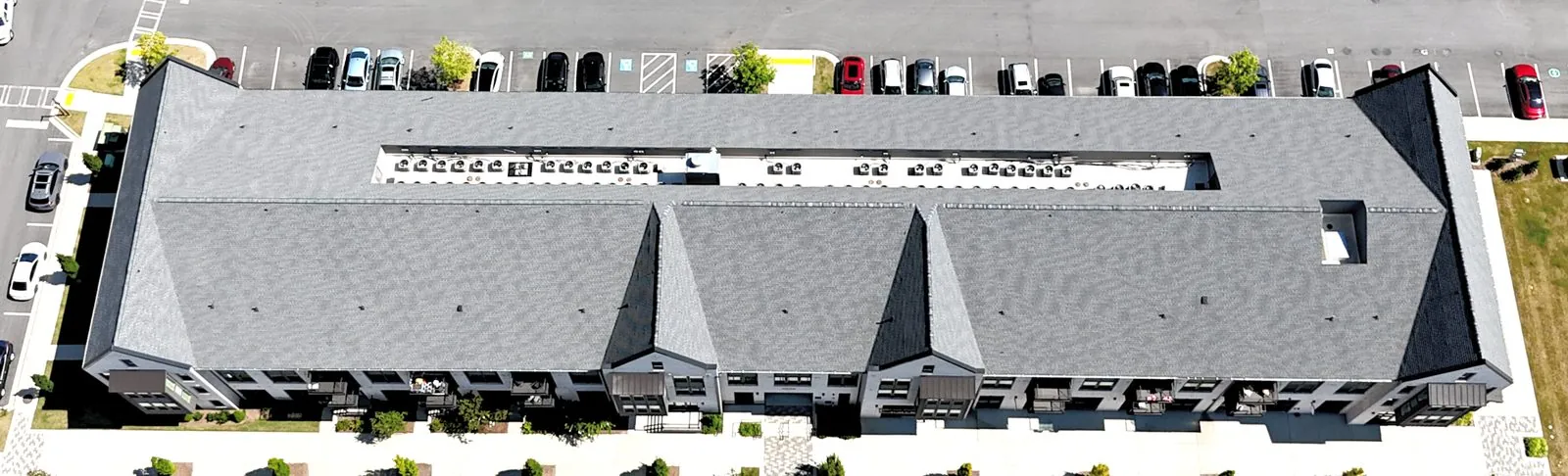
A drone photographs the roof from above. It is useful on roofs that are hard or unsafe to reach, and This Old House notes a drone inspection may cost more for those roofs, without giving a separate figure. A drone pass is good at showing missing shingles, debris and the overall layout. On its own it cannot tell you whether a shingle is bruised or whether a seal has let go, so for a storm claim it backs up a walk-on inspection rather than replacing one.
Infrared inspection
An infrared camera picks up temperature differences that can point to trapped moisture under the roof surface. This Old House calls it the most expensive option, often $400 to $600. It is mostly used on low-slope and commercial roofs, where a leak can travel a long way under the membrane before it shows up inside.
What a good inspection looks at
Whatever method is used, the useful part is the list of what was checked. Most roofs fail at their details rather than in the open field of shingles:
| Area | What gets checked |
|---|---|
| Flashing | Chimneys, walls and skylights, where most leaks start |
| Valleys | Where two slopes meet and water concentrates |
| Pipe boots and vents | Cracked rubber around every penetration |
| Ridge and hip caps | The parts that take the most wind |
| Shingles | Granule loss, cracking, curling, lifted tabs, broken seals, hail bruising |
| Soft metals | Dents in gutters, downspouts and vent caps, which record hail size |
| Attic | Staining along the rafters, daylight at penetrations, ventilation |
Are Free Roof Inspections Legit?
Many are. Plenty of roofing companies, including us, inspect for free because an honest inspection is how a homeowner decides who to trust with a repair or a replacement. The problem is the free inspection that shows up at your door uninvited.
The Federal Trade Commission’s guide to avoiding home improvement scams lists the warning signs: someone knocking because they are “in the area,” pressure for an immediate decision, and a demand to pay everything up front or in cash. It also tells homeowners to consider only contractors who are licensed and insured, and not to pick the lowest bid automatically. Georgia’s own consumer office has warned that some roofers have used a “free inspection” to cause damage to a roof and then sell the repair, and advises talking to your insurance company before committing to any repairs.
A free inspection is worth having when:
- You called the company, not the other way around.
- Someone actually gets on the roof, and you get photographs of what they found.
- You get a written assessment you can keep, whether or not you hire them.
- They will tell you there is nothing wrong when there is nothing wrong.
- Nobody asks you to sign anything on the spot.
If you signed a contract at home and regret it, the FTC notes you may be able to cancel within three business days.
When an Inspection Is Worth Booking
For a roof in normal condition, every two to three years is reasonable, plus after any significant storm. Roofs older than about 15 years are worth checking every year, not because something is wrong, but because knowing you have three years left changes how you plan. Book one sooner:
- After hail or high wind. Damage is often invisible from the ground, and insurance claim windows do expire.
- Before you buy or sell. A general home inspector notes the roof’s visible condition, but is assessing the whole house and typically will not cut a test square or evaluate hail damage.
- When something changes. A new ceiling stain, granules collecting in the gutters, or a shingle in the yard after a windy night.
What You Get From Ours
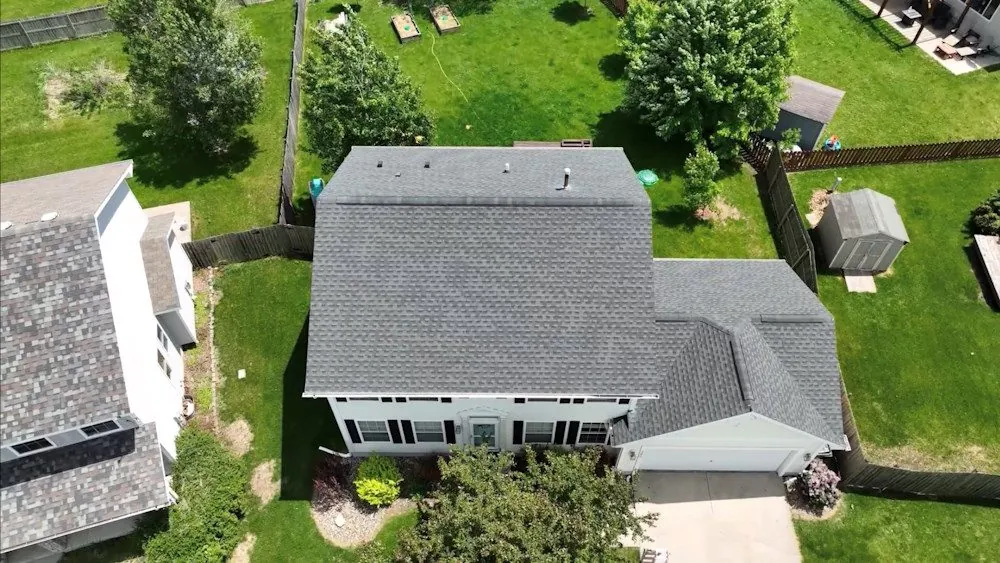
Our inspection is free: no charge for the inspection, the photographs or the report, and no obligation to use us afterwards. Here is what it includes:
- A walk-on inspection of every slope, with test squares cut where appropriate and the soft metals checked for hail impacts.
- An attic check where there is safe access.
- Photographs of anything we find and a written, plain-language assessment of each slope.
- Our honest view of whether you need a roof repair, a replacement, an insurance claim, or nothing at all.
- If there is storm damage, the documentation an adjuster expects, and our insurance claims help from the same report.
Our inspectors hold Haag certification, the residential roof damage standard many insurance adjusters train against. We have been based in Alpharetta and working the north metro since 2010, we are BBB accredited with an A+ rating, and we are fully insured.
We usually inspect the same or next day in Alpharetta, Roswell, Cumming, Sandy Springs and Duluth, and in Marietta on a scheduled visit. Book your free roof inspection or call (770) 676-1385.
Sources checked November 2, 2026: This Old House, What Is a Roof Inspection? (updated April 16, 2026); Bob Vila, roof replacement cost (updated April 16, 2024); FTC, How to avoid a home improvement scam (July 2022); Georgia Consumer Ed, Beware of roofers scamming storm victims (January 23, 2017).
Roof Inspection Cost Questions
How much does a basic roof inspection cost?
Nationally, a professional roof inspection averages about $331, with most homeowners paying $125 to $571, according to This Old House (April 2026). A simple one- or two-story shingle roof sits near the low end. RoofMax USA inspects roofs across the north Atlanta metro for free, with photographs and a written report.
Is a roof inspection worth it?
Usually, yes. An inspection catches cheap fixes like a split pipe boot or lifted flashing before they turn into a leak, tells a buyer or seller what the roof really needs, and documents storm damage while an insurance claim is still possible. It is worth the most after hail or high wind and on any roof older than about 15 years.
How much does a drone roof inspection cost?
This Old House does not give a separate figure, but notes a drone inspection may cost more on roofs that are hard to access. A drone shows missing shingles and the overall layout well, but it cannot judge hail bruising or broken shingle seals, so it works best alongside a walk-on inspection.
Are free roof inspections legit?
Many are. Be careful with an unrequested free inspection from someone who knocks because they are in the area, pushes for a quick decision or wants cash up front, which the FTC lists as scam warning signs. A legitimate free inspection gets someone on the roof, gives you photographs and a written assessment, and does not require you to sign anything.
How often should a roof be inspected?
Every two to three years is reasonable for a roof in normal condition, plus after any significant storm. Roofs older than about 15 years benefit from an inspection every year, and any roof that has just been through hail should be looked at within weeks.
Does a home inspection include the roof?
A general home inspector notes the roof's visible condition and estimates its remaining life, but is assessing the whole house and typically will not cut a test square or evaluate a hail claim. If the roof is a big part of the decision, a dedicated roof inspection gives you a clearer answer.