
Based on Moody’s on roof age in underwriting and This Old House (updated April 16, 2026).
An insurance roof inspection is any inspection your homeowners insurance company relies on to decide something about your roof. It happens at two points: when the insurer is deciding whether, and how, to cover the house, and when you file a claim for storm damage. In both cases the insurer is looking for the same answers: how old the roof is, what shape it is in, and whether any damage came from a storm or from age.
Knowing which kind you are facing, and what the inspector is looking for, keeps you from being surprised by the result. If you want your own answer first, our free roof inspection gives you photographs and a written assessment of every slope, the same evidence an adjuster reads.
What’s in this guide
- Do insurance companies do roof inspections?
- The inspection for your policy
- The inspection after a storm claim
- Why your roof’s age changes the check
- How to prepare
- Georgia rules and warnings worth knowing
- How we help
- Insurance roof inspection questions
Do Insurance Companies Do Roof Inspections?
Yes, and more often than most homeowners realize. Moody’s, whose roof data is used by many large U.S. property insurers, says roof age helps most insurers decide whether to cover a roof at replacement cost or actual cash value, whether to offer roof-related coverages at all, and whether a property inspection is required. Some of that now happens without anyone visiting, through aerial imagery that estimates a roof’s age and condition from above.
After a storm, the inspection is in person. This Old House notes that your insurer may require an inspection after a storm-damage claim and will likely send its own roofing professional.
| Factor | Policy (underwriting) inspection | Claim inspection |
|---|---|---|
| When | New policy, renewal, or after the insurer flags the roof | After you report storm damage |
| Who | An inspector the insurer hires, or aerial imagery | The insurer’s adjuster |
| What they decide | Whether to cover the roof, and on what terms | What is storm damage, what is age, and what they will pay |
| What helps you | Knowing the roof’s real age and condition first | Photographs and documentation from before the visit |
The Inspection for Your Policy
An underwriting inspection is about risk, not damage. The insurer wants to know how likely the roof is to produce a claim. Moody’s says older roofs, often those over 15 to 20 years, may not be eligible for coverage or might only be covered on an actual cash value basis, and that roof age can lead an insurer to decline the risk altogether.
The inspector looks at what is visible: missing or lifted shingles, granule loss, curling, patched areas, sagging, debris and heavy tree cover. They are not usually cutting test squares or walking every slope the way a storm inspection does.
If your insurer has flagged your roof, ask exactly what they flagged and what they need to see. Sometimes the answer is a repair to one slope, not a new roof, and a written inspection with photographs from a roofer is the clearest way to show the insurer what has been done. A roof repair on the item they named may be all it takes.
Roof inspection for homeowners insurance when you buy a house
Buyers sometimes run into this close to closing, when the insurer wants to know more about the roof before it writes the policy. A general home inspector notes the roof’s visible condition, but is assessing the whole house and typically will not cut a test square or evaluate a hail claim. A dedicated roof inspection tells you whether you are inheriting a roof with a decade left or one that needs replacing within two years. If storm damage is present and unclaimed, that is worth knowing before closing, because the claim generally belongs to whoever owned the house when the storm hit.
The Inspection After a Storm Claim
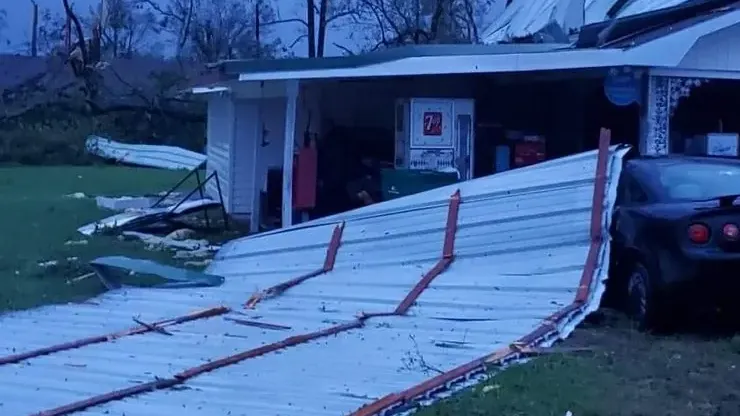
Once you report damage, the insurer sends an adjuster. They have a large surface to look at and limited time on it, and their job is to separate what the storm did from what age and wear did. Anything legitimate that is not pointed out during that visit usually does not make it into the settlement.
A claim inspection looks closely at:
- Test squares. A marked area on each slope where hail hits are counted.
- Soft metals. Gutters, downspouts, vent caps and drip edge, which dent and record hail size more clearly than shingles.
- Wind damage. Creased, lifted or missing shingles, and broken seal strips.
- The storm date. Whether the damage lines up with a specific weather event.
- Interior signs. Ceiling stains and attic staining that trace where water got in.
The result is the scope of loss: the itemized list of what the insurer has agreed to pay for. Read it line by line. Omissions there are the most common reason a settlement falls short of what the job needs. A supplement is a routine request to add something legitimate that was not visible until work started.
Why Your Roof’s Age Changes the Check
Two terms decide how much an approved claim pays. Replacement cost value (RCV) is what it costs to replace the roof new. Actual cash value (ACV) is the depreciated worth of the old roof. The Insurance Information Institute explains that on an ACV basis, insurance pays for the cost of a new roof less the depreciation of the old one, and if the roof was old and worn out, that deduction may be significant.
Many policies pay ACV first and release the rest, the recoverable depreciation, once the work is complete and invoiced. If you only ever receive the first check, you have been paid for part of a roof. Your policy’s loss settlement section says which kind you have.
Age and wear on their own are not covered by any policy. That is why an honest inspection before you file matters: a claim for damage that turns out to be wear costs you time and gets you nothing.
How to Prepare for an Insurance Roof Inspection
- Write down the storm date. Note when the hail or wind came through, and any news or weather reports from that day.
- Photograph everything first. Georgia’s Insurance Commissioner advises homeowners to “document, document, document” storm damage, including damaged roofs.
- Notify your insurer right away. The same guidance says to report damage immediately.
- Protect the house. If it is safe, cover a damaged roof with a tarp, leave significant repairs to professionals, and save every receipt.
- Get your own inspection. Know what is on your roof before the adjuster arrives, so you are both looking at the same evidence.
- Be there for the visit. Or have the roofer who inspected it there to walk the roof with the adjuster.
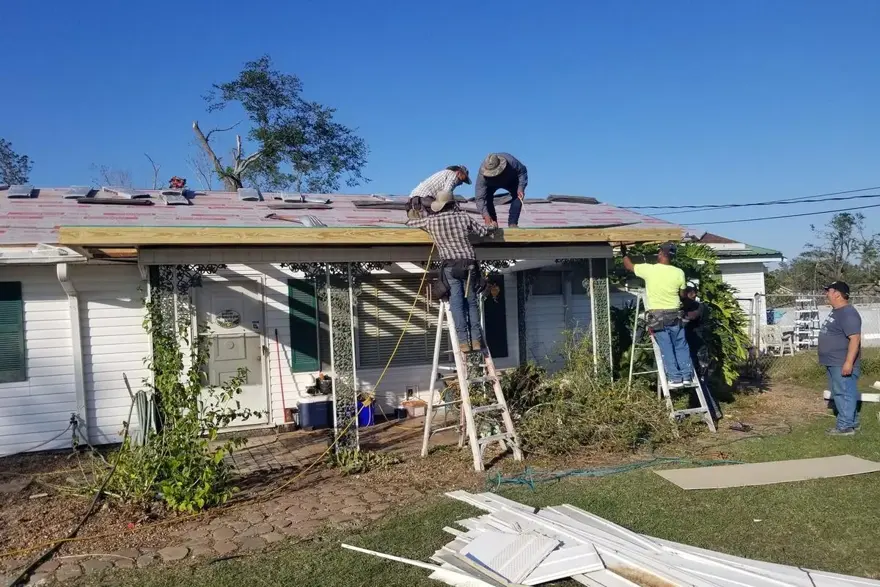
Georgia Rules and Warnings Worth Knowing
- Your deductible is yours to pay. Georgia’s consumer office says roofers are no longer allowed to pay a storm victim’s insurance deductible. A contractor who offers to absorb it is putting your claim at risk.
- Talk to your insurer before committing. The same article advises talking to your insurance company before committing to any repairs, and warns that some roofers have used a “free inspection” to damage a roof.
- Only a licensed public adjuster negotiates for you. A roofer can document damage and attend the adjuster visit. You open and manage the claim with your insurer.
- Help is a phone call away. The Georgia Office of Insurance and Safety Fire Commissioner’s consumer line is 1-800-656-2298.
How We Help
We support your claim; we do not file it. Here is what that looks like:
- A free inspection: every slope walked, test squares cut where appropriate, soft metals checked, photographs taken, and a written report that separates what the roof needs from what an insurer is likely to pay for.
- An honest answer when there is not a claim worth making.
- The evidence and storm date for you to file with.
- We meet the adjuster at the property at no charge, walk the roof with them and show them what we documented.
- Once the scope is approved, we schedule the repair or replacement, usually within days.
Our inspectors hold Haag certification, the residential roof damage standard many insurance adjusters train against, so our report is written against the same reference the insurer uses. We have worked from Alpharetta since 2010 and are BBB accredited with an A+ rating. More on the process is on our insurance claims help page.
We inspect roofs across the north metro, including Alpharetta, Cumming and Duluth, and Woodstock on a scheduled visit. Book your free roof inspection or call (770) 676-1385.
Sources checked November 2, 2026: Moody’s, The challenge of unlocking accurate roof age data; This Old House, What Is a Roof Inspection? (updated April 16, 2026); Insurance Information Institute, Am I covered?; Georgia Office of Insurance and Safety Fire Commissioner, storm insurance tips (October 29, 2020); Georgia Consumer Ed, Beware of roofers scamming storm victims (January 23, 2017). General information, not insurance or legal advice; your policy and your insurer decide your claim.
Insurance Roof Inspection Questions
Do insurance companies do roof inspections?
Yes. Insurers use roof age and condition to decide whether to cover a roof and on what terms, sometimes with an inspector and sometimes from aerial imagery. After a storm claim, the insurer usually sends its own adjuster to inspect the roof in person.
Can my insurance company drop me because of my roof?
Roof age and condition can affect coverage. Moody's says older roofs, often those over 15 to 20 years, may not be eligible or may only be covered at actual cash value, and that roof age can lead an insurer to decline the risk. If your insurer flags your roof, ask exactly what it needs to see, since a repair is sometimes enough.
Should a roofer be at the insurance adjuster inspection?
It helps. The adjuster has limited time on a large roof, and damage that is not pointed out during the visit usually does not make it into the settlement. A roofer who already documented the test squares and soft-metal impacts can walk the roof with the adjuster. RoofMax USA attends the adjuster visit at no charge.
Can a roofer pay my insurance deductible in Georgia?
No. Georgia's consumer office says roofers are no longer allowed to pay a storm victim's insurance deductible. Be wary of any contractor who offers to absorb it, because it puts your claim at risk.
Will insurance pay for a roof that is just old?
No. Age and wear are not covered by any policy. Insurance pays for sudden damage such as hail, wind or a falling limb, and on an actual cash value policy an old roof's depreciation can take a large share out of the check.
What should I do before an insurance roof inspection?
Write down the storm date, photograph the damage, report it to your insurer right away, tarp the roof if it is safe and save receipts. Then get your own roof inspection so you know what is on the roof before the adjuster arrives.