
Based on the Insurance Information Institute’s homeowners coverage guide. Your own policy wording decides; read it or ask your agent.
Does homeowners insurance cover a roof leak? Usually, when something sudden caused it: hail, a windstorm, a limb through the roof. Usually not, when the leak comes from age, wear or a slow problem nobody fixed. Homeowners insurance for a roof leak turns on that one question, the cause, far more than on how bad the water damage looks.
Below is how a standard Georgia homeowners policy tends to treat each kind of leak, what the insurer actually pays, the steps that protect a claim, and when filing isn’t worth it. If you think a storm is behind your leak, our insurance claims page explains how we document the damage and support the claim; the inspection is free.
What’s in this guide
- Why the cause decides coverage
- Roof leak coverage, cause by cause
- Does insurance cover the water damage inside?
- What the insurer actually pays
- How to protect a roof leak claim
- When a claim isn’t worth filing
- Georgia rules and where to get help
- How we help
- Roof leak insurance questions
Why the Cause Decides Coverage
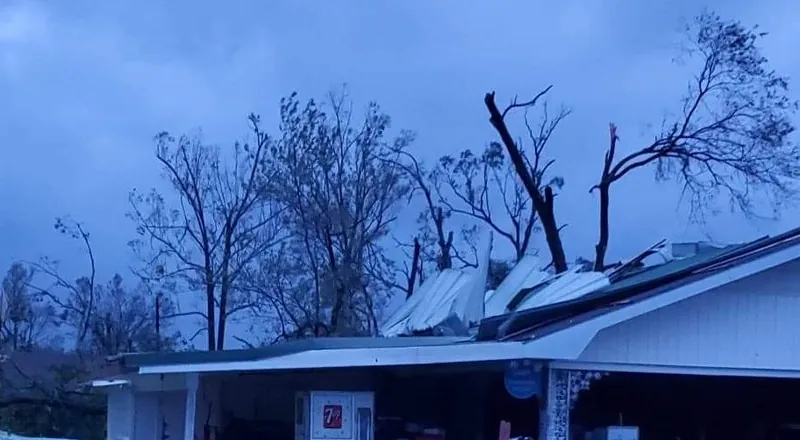
A homeowners policy is written to pay for sudden, accidental losses, not for the cost of owning an aging house. The Insurance Information Institute (III) puts it plainly in its guide to a standard HO-3 policy: if a tree falls and damages your roof, “you are covered for the damage to your roof,” while water seepage is “viewed as a maintenance issue and is not covered by insurance.”
Roof leaks fall on both sides of that line. A leak that started the night hail cracked the shingles is a storm loss. A leak from a pipe boot that has been splitting in the sun for years is wear, and so is one from shingles that have lost their granules on every slope. The water on your ceiling looks the same either way, which is why the insurer’s first question is what let it in, and when.
Roof Leak Coverage, Cause by Cause
How a typical policy treats the leaks we see most. Your policy’s wording and exclusions are what count:
| What caused the leak | Usually covered? | Why |
|---|---|---|
| Hail damage | Usually yes | Sudden storm damage |
| Wind lifting or tearing off shingles | Usually yes | Sudden storm damage; check for a separate wind or hail deductible |
| A tree or limb falling on the roof | Usually yes | The III guide’s own example of covered roof damage |
| Old, worn-out shingles | No | Age and wear are maintenance, not a loss |
| A pipe boot cracked by sun and age | Usually no | Gradual deterioration of a part |
| A slow leak left for months | Usually no | Seepage is treated as maintenance |
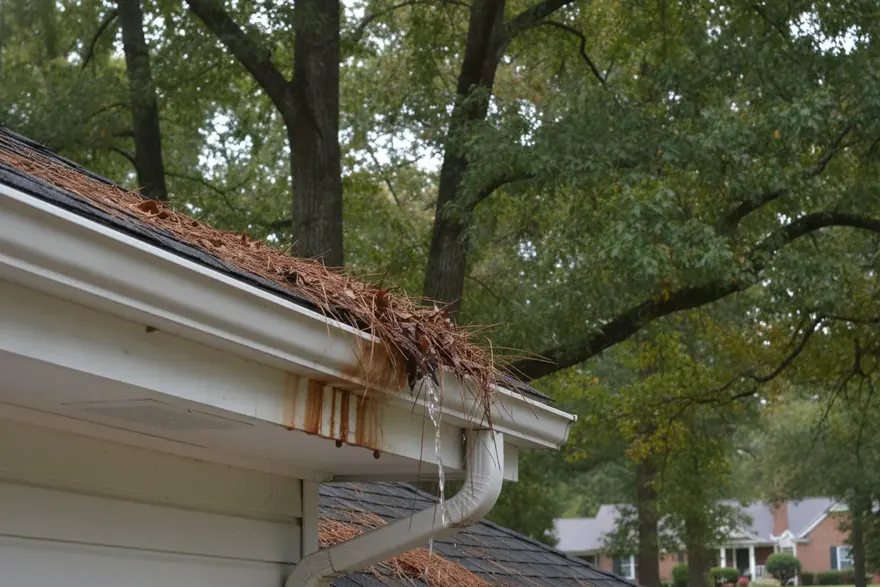
| Clogged gutters backing up under the roof edge | Usually no | A maintenance problem, not a sudden event |
| Faulty installation | Usually no | A workmanship problem; the installer’s warranty is where to look |
The gray area is the old roof that a storm finishes off. An adjuster may agree there is storm damage and still argue some of what they’re looking at is age. That is where documentation made before the adjuster arrives counts most.
Does Insurance Cover the Water Damage Inside?
Generally it follows the roof. When a covered event opens the roof, the resulting damage inside, such as a stained ceiling, wet insulation or ruined drywall, is usually part of the same claim. When the leak itself isn’t covered, the damage it caused generally isn’t either.
There is one way to lose coverage you would otherwise have: leaving the roof open. Nearly every homeowners policy places a duty on you to take reasonable steps to prevent further damage after a loss. Damage that happens because a hole was left for a week may not be covered, even when the original storm damage clearly is. A tarp is the standard way to meet that duty, and its cost is typically claimable as part of the loss.
Dry things quickly, too. The EPA says water-damaged areas should be dried within 24 to 48 hours to prevent mold, and in Georgia’s humidity an attic stays damp for a long time.
What the Insurer Actually Pays
- Your deductible comes off first. It is your share of the claim and is owed regardless. Some policies carry a separate wind or hail deductible, so check which one applies to yours.
- Actual cash value (ACV) or replacement cost (RCV). ACV is replacement cost less depreciation. III notes that on an old, worn-out roof, the deduction for depreciation “may be significant.” Many policies pay ACV first and release the rest, the recoverable depreciation, once the work is complete and invoiced. If you only ever receive the first check, you’ve been paid for part of a roof.
- The scope of loss. The itemized list of what the insurer has agreed to pay for. Read it line by line; something missing from the scope is the most common reason a settlement falls short of the job.
- Supplements. A request to add something legitimate the first scope missed, usually because it wasn’t visible until work started, like rotten decking. Supplements are routine, not a dispute.
Your roof’s age changes how much of this you’ll see. Our guide to the insurance roof inspection explains how insurers look at an older roof before and after a claim.
How to Protect a Roof Leak Claim
- Photograph everything, with the date, before anything is cleaned up or covered: the ceiling, the attic if you can reach it safely, damaged belongings and anything visible on the roof from the ground. Georgia’s Insurance Commissioner puts it as “document, document, document.”
- Stop further damage. Buckets, towels and a tarp on the roof if it’s open. The Commissioner’s storm tips say to tarp the roof if it is safe to do so and leave significant repairs to professionals.
- Keep every receipt, for the tarp, for drying equipment, for anything you buy because of the leak.
- Report it promptly. You open the claim with your insurer. Note the storm date if you know it.
- Get the roof inspected and documented before the adjuster visits, so the evidence of what the storm did is on record. Our guide to the hail damage roof inspection covers what that inspection looks at.
- Be there for the adjuster visit, or have your roofer there. Most claims are effectively settled in the hour the adjuster spends on the roof.
Stay off the roof yourself throughout. Walking a storm-damaged roof is dangerous, and foot traffic can muddle storm damage with new damage.
When a Claim Isn’t Worth Filing
A claim makes sense when the cause is a covered event and the damage is well above your deductible. It is worth stopping to think when:
- The repair costs less than your deductible. A split pipe boot or a few replaced shingles often does. This Old House puts most roof leak repairs at about $100 to $1,500; our guide to roof repair estimates has the full ranges.
- The cause is age or wear. No policy covers it, and filing a claim that will be denied costs you time and gets you nothing.
- You aren’t sure what caused it. Find out first. An inspection that names the cause tells you whether there is a claim to make before you make one.
Georgia Rules and Where to Get Help
- Deductibles can’t be waived. Be wary of any contractor offering to absorb or “cover” your deductible. In Georgia that is insurance fraud, and it puts your claim at risk.
- A roofer can’t negotiate your claim. A roofer can’t negotiate a claim on your behalf without being a licensed public adjuster. What a roofer can do is document the damage and walk the roof with your adjuster.
- Watch for storm chasers. The Commissioner’s office warns that scammers strike when homeowners are most vulnerable, and to be wary of adjusters you don’t know who knock on the door.
- The state can help. The Georgia Office of Commissioner of Insurance and Safety Fire’s consumer services team takes questions and complaints about how a claim is handled, toll-free at 1-800-656-2298.
How We Help
We inspect the roof for free and tell you honestly whether we think the leak is storm damage or wear before you call your insurer. If there is a claim, we document the damage with photographs, give you the evidence and the storm date to file with, and walk the roof with your adjuster at no charge. Our inspectors hold Haag certification, the residential roof damage standard many adjusters train against, so the conversation on the roof is a shared reading of the same evidence. We don’t file or negotiate the claim; you stay in control of it.
If it isn’t a claim, we’ll say so and fix the leak. Our guide on how to fix a leaking roof covers what to do in the meantime.
We work across the north metro, including Alpharetta, Roswell, Johns Creek, Cumming and Marietta. Book a free claim review or call (770) 676-1385.
Sources checked November 17, 2026: Insurance Information Institute, Am I covered?; Georgia Office of Commissioner of Insurance and Safety Fire, storm tips (October 29, 2020); Georgia OCI, About Us (consumer services); EPA, A Brief Guide to Mold, Moisture and Your Home (updated February 18, 2026); This Old House, Roof Repair Cost (updated March 5, 2026). This is general information, not legal or insurance advice; your policy decides what is covered.
Roof Leak Insurance Questions
Does homeowners insurance cover a roof leak?
Usually when a sudden event caused it, such as hail, wind or a falling limb, and usually not when it comes from age, wear or a slow leak that went unrepaired. The Insurance Information Institute notes that seepage is treated as a maintenance issue and is not covered. Your policy wording decides.
Does homeowners insurance cover water damage from a roof leak?
Generally it follows the roof: if a covered event caused the leak, the resulting interior damage is usually part of the same claim. If the leak itself isn't covered, the damage it caused generally isn't either. Damage from leaving an open roof unprotected may not be covered.
Will insurance fix a roof leak caused by an old roof?
No. Age and wear are not covered by any homeowners policy. If a storm damaged an old roof, the storm damage may be covered, but the insurer may deduct significant depreciation on an actual cash value policy.
How do I get my roof leak covered by insurance?
Photograph the damage with the date, stop further damage with a tarp if the roof is open, keep receipts, report the claim promptly, and have the roof inspected and documented before the adjuster visits. Coverage still depends on the cause.
Should I file a claim for a small roof leak?
Often not if the repair costs less than your deductible, which a split pipe boot or a few shingles frequently does. Have the cause identified first so you know whether there is a covered claim to make.
Who do I contact in Georgia if my roof claim is mishandled?
The Georgia Office of Commissioner of Insurance and Safety Fire's consumer services team handles questions and complaints about insurers, toll-free at 1-800-656-2298.