
What a roof inspection report should contain, compared with the roof section of the InterNACHI home inspection Standards of Practice (last revised October 2022).
A roof inspection report is the written record of what an inspector found on your roof: the condition of each slope and its details, photographs of any problems, and a plain conclusion about what, if anything, the roof needs. It is the part of the inspection you keep. You use it to decide on a repair, to support an insurance claim, or to negotiate when a house is being bought or sold.
Reports vary a lot. Some are a page of checkboxes; some run to dozens of photographs. This guide sets out what a useful one contains, a sample layout section by section, and how a roof report differs from the roof notes in a general home inspection. Every free roof inspection we do ends in a written report that is yours to keep, whether you use us or not.
What’s in this guide
- A sample roof inspection report, section by section
- Why the photographs matter most
- Roof report vs the roof section of a home inspection
- What changes after a storm
- How to read your report
- What to do with it
- Roof inspection report questions
A Sample Roof Inspection Report, Section by Section
Whatever the template looks like, a complete roof inspection report covers the same ground. Use this as a checklist when you read one:
| Section | What it should record |
|---|---|
| Property and roof basics | Address, date, roof covering (asphalt shingle, metal, low-slope membrane), number of layers, and the slopes inspected |
| How it was inspected | Walked on, viewed by drone, from a ladder or from the ground, and whether the attic was accessible |
| Shingles or covering | Granule loss, cracking, curling, lifted or creased tabs, broken seals and, after a storm, bruising |
| Flashing and penetrations | Chimneys, walls, skylights, pipe boots and vents |
| Valleys, ridges and hips | Open or worn valleys, debris, and the ridge and hip caps that take the most wind |
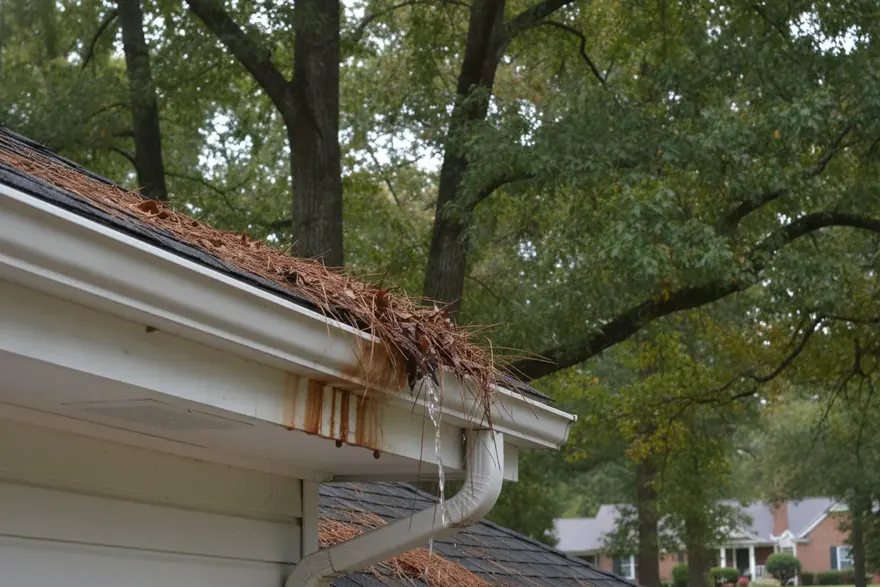
| Gutters and drip edge | Blockages, overflow staining and dents in the soft metals |
| Attic and decking | Staining along rafters, daylight around penetrations, soft or darkened decking |
| Ventilation | Intake at the soffits and exhaust at the ridge or vents |
| Photographs | Each finding, labeled with where on the roof it is |
| Conclusion | No action, a specific repair, a replacement, or storm damage worth a claim |
The “how it was inspected” line is the one people skip, and it tells you how much weight the rest can bear. A report written from the driveway cannot assess hail bruising or broken wind seals, however long it is.
Why the Photographs Matter Most
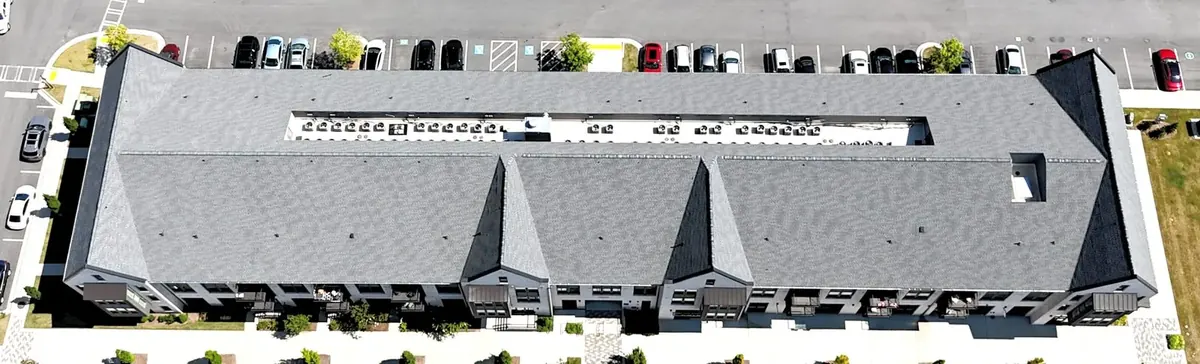
Most homeowners never see their own roof up close. The photographs are how you see what the inspector saw, and they are what an insurer, a buyer or a second roofer will look at. A useful report pairs each finding with a photo and says where it is: “split pipe boot, rear slope above the kitchen” rather than “some wear noted.”
We photograph anything we find and use drones where they help with overall documentation and steep or unsafe slopes. A drone supplements a physical inspection rather than replacing it, because a bruise under the granules has to be felt as well as seen.
Roof Report vs the Roof Section of a Home Inspection
If you are buying a house, you will get a home inspection report with a roof section, and it is worth knowing what that section is and is not. Under the InterNACHI Standards of Practice, which many home inspectors follow, the inspector looks at the roof covering, gutters, downspouts, vents, flashing, skylights, chimney and other penetrations from ground level or the eaves. The same standard says the inspector is not required to:
- walk on any roof surface
- predict the service life expectancy
- perform a water test
- warrant or certify the roof
- confirm proper fastening or installation of the roof covering
| Question | Home inspection roof section | Dedicated roof inspection report |
|---|---|---|
| Do they get on the roof? | Not required | Yes, where safe |
| Test squares and hail assessment | Typically not | Yes, where appropriate |
| Attic view of the decking | General structure from access points | Staining, decking and ventilation, where access allows |
| Scope | The whole house | The roof only |
So what do home inspectors look for on roofs? Visible condition and active leaks, which is useful but limited. When the home inspector flags the roof, a dedicated roof inspection tells you whether you are inheriting a roof with a decade left or one that needs replacing within two years, a difference worth many thousands of dollars at the point of offer.
What Changes After a Storm
After hail or high wind, the report has a second job: evidence. If a claim looks worth making, ours includes the documentation an adjuster expects, which is test squares, soft-metal impacts, the direction of the damage and the storm date it corresponds to. The Insurance Institute for Business & Home Safety lists the same signs an inspector separates from ordinary wear in its guide Is It Hail Damage?
A good storm report also separates two lists homeowners are often handed as one: what the roof needs, and what an insurer is likely to pay for. Age-related wear is real, but it is not storm damage, and the Insurance Information Institute notes that on an actual cash value policy an old roof’s depreciation comes off the payout too. Our guide to the hail damage roof inspection explains how that evidence is gathered, and the insurance roof inspection guide covers what your insurer does with it.
How to Read Your Report
- Start with the conclusion. Nothing, a repair, a replacement or a claim. If it is not clear, ask.
- Check how it was inspected. On the roof, by drone, or from the ground, and whether the attic was seen.
- Match each finding to a photo. A finding with no photograph is an opinion.
- Separate urgent from routine. A split pipe boot or lifted flashing is cheap to fix while it is still small. Worn granules across every slope is a planning item.
- Ask what it costs. A report is not an estimate. Our guides to roof repair estimates and roof replacement cost give the published ranges.
A report that tells you the roof is fine is a good result, not a wasted visit. It happens regularly, and a roof with years left and no damage is a roof we will tell you to leave alone.
What to Do With It
- Buying: use it in the negotiation, and if storm damage is present and unclaimed, know it before closing, because the claim generally belongs to whoever owned the house when the storm hit.
- Selling: decide deliberately whether to repair, replace or price the roof in, rather than letting a buyer’s inspector decide mid-negotiation.
- After a storm: file with your insurer using the photographs and storm date.
- Planning: for a roof in normal condition, an inspection every two to three years is reasonable, and roofs over about fifteen years old benefit from an annual check.
We inspect roofs across the north metro, including Alpharetta, Roswell, Milton, Johns Creek and Sandy Springs. Book a free roof inspection with a written report or call (770) 676-1385.
Sources checked November 6, 2026: InterNACHI, Home Inspection Standards of Practice (last revised October 2022); IBHS, Is It Hail Damage?; Insurance Information Institute, Am I covered?. The inspection, photographs and report described as ours are from our roof inspection page.
Roof Inspection Report Questions
What is included in a roof inspection report?
The roof covering and how it was inspected, the condition of each slope, the flashing, valleys, penetrations, gutters and soft metals, the attic and ventilation where accessible, photographs of every finding, and a conclusion: no action, a repair, a replacement or a storm claim.
Do roof inspectors get on the roof?
A dedicated roof inspector should, where it is safe, because hail bruising and broken wind seals cannot be judged from the ground. A general home inspector following the InterNACHI standard is not required to walk on the roof.
What do home inspectors look for on roofs?
Under the InterNACHI standard, the roof covering, gutters, downspouts, vents, flashing, skylights, chimney and other penetrations, viewed from ground level or the eaves, plus observed signs of active leaks. They are not required to predict the roof's remaining life or certify it.
How long does a roof inspection take?
Usually under an hour for a typical house, longer for a large or complex roof. You do not need to be home; the report can be sent to you.
Is a roof inspection report the same as an estimate?
No. The report describes the roof's condition and what it needs. The cost of a repair or replacement is a separate figure, though a good roofer gives you both.
Who owns the roof inspection report?
With RoofMax USA, you do. The inspection, the photographs and the written report are free and yours to keep whether or not you use us for any work.